MeraApnaBihar: The Cultural Details That Make a Bihar Journey Memorable
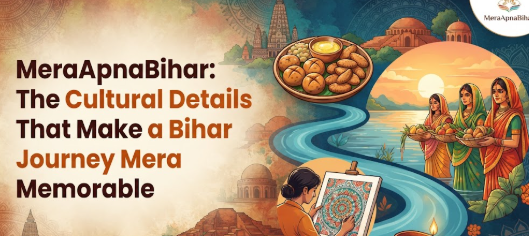
Bihar is a land of ancient learning, deep spiritual roots, diverse living traditions, and rich history. From the peaceful banks of the Falgu and Ganges rivers to the calm forested foothills in the north, the state offers meaningful experiences for travelers, researchers, and culture enthusiasts alike. Many people begin their journey by searching for prominent Bihar tourist places, spiritual destinations, ancient monuments, local culinary specialties, traditional festivals, or practical travel information. At the same time, residents, students, and travelers frequently look for dependable regional news, educational developments, and public recruitment updates.
Finding reliable, organized, and culturally grounded regional information can sometimes be challenging on the open web. This is where MeraApnaBihar steps in as a dedicated, Bihar-focused digital information resource. Rather than acting as a standard travel agency or an official administrative office, the platform functions as an approachable content hub that documents travel destinations, explores regional food traditions, explains vibrant festivals, and highlights timely local developments. By balancing evergreen cultural knowledge with practical travel tips and community updates, it helps readers connect with the living pulse of Bihar in a clear and thoughtful way.
What Is MeraApnaBihar?
MeraApnaBihar is an independent, community-oriented digital platform created to share information about the state of Bihar with a wide and curious audience. Its primary purpose is to present Bihar’s cultural heritage, natural landscapes, and local way of life through well-researched, accessible content. Rather than narrowing its focus solely to one category, the platform bridges everyday regional life with historical and practical knowledge.
The platform serves a wide variety of readers:
- Travelers and Explorers: People looking for destination overviews, sightseeing ideas, historical context, and practical trip planning advice.
- Culture and Heritage Lovers: Readers interested in ancient monasteries, historical kingdoms, temple architecture, traditional folk arts, and community heritage.
- Food Enthusiasts: Anyone curious about traditional dishes, regional sweets, street snacks, and the cultural stories behind everyday cooking.
- Residents and Diaspora: People seeking a deeper connection to their roots, seasonal festival insights, and regional happenings.
- Students and Job Seekers: Individuals looking for organized overviews of educational announcements, state examinations, and public recruitment updates.
By bringing travel guides, cultural essays, culinary insights, and local civic updates together in a single place, MeraApnaBihar saves readers from hopping across scattered forums. It organizes complex topics into straightforward reading, making regional knowledge easy to explore for everyone.
Bihar Tourism Through MeraApnaBihar
When people think about Bihar Tourism, they often discover a travel landscape shaped by centuries of philosophical, religious, and political history. Traveling through Bihar is not a single-city trip or a standard weekend holiday. Instead, it is an exploratory journey that changes character as you travel from the plains of central Bihar to the hills of the south and the quiet riverbanks of the north.
Travelers visit Bihar for several distinct reasons:
- Spiritual Journeys and Pilgrimage: Millions travel across Bihar to visit sacred sites tied to Buddhism, Jainism, Hinduism, Sikhism, and Sufi traditions. Bodh Gaya, Rajgir, Gaya, and Patna Sahib each represent vital spiritual centers with deep global significance.
- Ancient Learning and Architecture: Bihar was home to ancient international universities such as Nalanda and Vikramshila. Travelers interested in early global education, classical architecture, and archaeological excavations find unparalleled historical depth here.
- Nature and Wildlife: Beyond its ancient stone ruins, the state contains tranquil green spaces, including the lush landscapes of Valmiki National Park, scenic waterfalls in southern districts, and protected bird sanctuaries.
- Living Culture and Heritage: From Mithila painting to community brassware, stone craft, and rural handlooms, regional arts form an integral part of the travel experience.
- Festivals and Gastronomy: Seasonal celebrations such as Chhath Puja transform towns and villages, while distinct regional foods offer an honest reflection of local agricultural traditions.
MeraApnaBihar helps travelers understand that visiting Bihar requires an open, curious mindset. Through its regional guides and context-driven content, the platform encourages travelers to look past superficial itineraries and appreciate the deeper stories behind each town and monument.
Bihar Tourist Places
Planning an itinerary starts with understanding the primary Bihar Tourist Places that define the state’s historical and spiritual map. Each destination carries its own distinct atmosphere, architectural heritage, and cultural rhythm.
Bodh Gaya
Located in Gaya district, Bodh Gaya is one of the world’s most revered spiritual destinations. It is the sacred place where Siddhartha Gautama attained enlightenment under the Bodhi Tree and became the Buddha. The focal point of the town is the grand Mahabodhi Temple complex, a UNESCO World Heritage site known for its ancient brick architecture, quiet meditation gardens, and international monasteries built by Buddhist communities from Japan, Thailand, Bhutan, Sri Lanka, and beyond. Travelers visiting Bodh Gaya should plan ahead for temple visiting hours, respectful dress expectations, and winter peak season footfall.
Rajgir
Surrounded by scenic green hills, Rajgir was the ancient capital of the Magadha kingdom. It holds profound significance for both Buddhists and Jains. Key sites include the Gridhakuta (Vulture’s Peak), where the Buddha delivered historic sermons, the historic Bimbisara Jail site, ancient cyclopean stone walls, natural hot sulfur springs, and the modern Vishwa Shanti Stupa (Peace Pagoda) reached via a scenic aerial ropeway. Because visiting Rajgir involves walking across hillside paths and visiting multiple spread-out sites, travelers should research comfortable local transportation options and weather conditions in advance.
Nalanda
Just a short journey from Rajgir lies Nalanda, home to the excavated ruins of the ancient Nalanda Mahavihara, another renowned UNESCO World Heritage site. Established around the 5th century CE, this residential university once welcomed thousands of scholars and monks from across Asia. Visitors can walk among the preserved red-brick monasteries, stupas, prayer halls, and drainage channels, and visit the nearby Nalanda Archaeological Museum. When exploring Nalanda, it is wise to set aside adequate daytime hours and review visitor facilities beforehand, as exploring the vast archaeological grounds requires substantial walking.
Patna
As the state capital situated along the banks of the sacred Ganges River, Patna bridges ancient history with modern commercial life. Once known as Pataliputra, the city was the imperial seat of the Mauryan and Gupta empires. Today, travelers visit Patna for its peaceful Ganga Ghats, Takht Sri Patna Sahib (one of the holiest shrines in Sikhism), the historic Golghar granary, the expansive Bihar Museum, and the Patna Museum. Visitors to Patna should research city transit, central hotel locations, and museum operating schedules prior to arrival.
Vaishali
Vaishali is historically celebrated as one of the world’s earliest known republics, governed by the Lichchhavi clan. It is deeply revered in Jainism as the birthplace of Lord Mahavira and holds great importance in Buddhism as the site where the Buddha delivered his last sermon and where the Second Buddhist Council took place. Major attractions include the well-preserved Ashokan Pillar surmounted by a single lion, the Buddha Relic Stupa, and the peaceful coronation tank known as Abhishek Pushkarini. Travelers should note that Vaishali is best visited via day trips from Patna or Muzaffarpur, making prior transport arrangements helpful.
Gaya
Situated along the banks of the Falgu River, Gaya is an ancient center of Hindu pilgrimage. Pilgrims from across India visit Gaya to perform Pind Daan, a traditional ritual honoring ancestors, primarily centered around the sacred Vishnupad Temple and Akshayavat banyan tree. Gaya is also historically significant for its surrounding rock hills and ancient caves, such as the nearby Barabar Caves in neighboring Jehanabad district. Anyone planning a visit during major pilgrimage periods should look into local lodging availability and city crowd management well ahead of time.
Sasaram
Located in Rohtas district, Sasaram is renowned for its magnificent Indo-Islamic architecture. Its crowning monument is the majestic sandstone tomb of Emperor Sher Shah Suri, set in the middle of a large artificial lake. The tomb showcases refined Afghan architectural styling and engineering. Sasaram is also a gateway to the dramatic waterfalls, plateau views, and historic fortifications of the Kaimur and Rohtas hills. Travelers should check regional train connectivity and local day-hire taxi availability when planning a stop in Sasaram.
Valmiki Nagar
Situated in the West Champaran district along the India-Nepal border, Valmiki Nagar offers a refreshing natural contrast to Bihar’s historical plains. It is home to Valmiki National Park and Tiger Reserve, located along the Gandak River. Travelers come here to enjoy dense Sal forests, scenic river views, jungle trails, and birdwatching. Because forest entry rules, eco-tourism lodge bookings, and safari slots follow seasonal conservation schedules, visitors should verify eco-tourism guidelines carefully before traveling.
Places to Visit in Bihar
To build a balanced itinerary, travelers often prefer to categorize Places to Visit in Bihar by personal interest rather than geography. MeraApnaBihar highlights these distinct categories so readers can match their journey to their preferred travel style.
Historical Places
Travelers drawn to ancient empires, military strategies, and classical architecture will appreciate Bihar’s rich historical landscape. From the ancient palace remnants at Kumhrar in Patna to the massive ruins of Nalanda University and the medieval grandeur of Sher Shah Suri’s tomb in Sasaram, historical travelers have much to uncover. Visiting these sites offers an educational look into statecraft, monastic life, and regional trade routes spanning more than two millennia.
Religious and Spiritual Places
Pilgrimage and spiritual contemplation are core reasons people travel across the state. Buddhist travelers seek the quiet mindfulness of the Mahabodhi Temple and the monasteries of Rajgir. Jains visit Pawapuri—where Lord Mahavira attained Nirvana—and Champapuri in Bhagalpur. Sikh pilgrims journey to Takht Sri Patna Sahib, the birthplace of Guru Gobind Singh Ji. Hindu pilgrims travel to the ancient temples of Gaya, the Sun Temple at Deo, and the historical shrines along the Ganges. Each site carries centuries of unbroken devotion and community ritual.
Nature and Wildlife Destinations
Those seeking natural landscapes and peaceful open air can explore destinations beyond the urban centers. Valmiki National Park in the northwest provides rich biodiversity, forested hills, and riverine habitats. The scenic Kakolat Falls in Nawada, Telhar Kund and Karkat Falls in the Kaimur range, and the Kanwar Lake Bird Sanctuary in Begusarai highlight the ecological beauty of the state. Travelers visiting natural areas should always verify trail access, local guides, and seasonal water levels.
Family-Friendly Destinations
Families traveling with children and senior citizens often prioritize easy accessibility, good resting spots, educational value, and comfortable transit. Destinations such as the Bihar Museum in Patna offer world-class exhibits, hands-on galleries, and clean amenities. The Rajgir ropeway, glass bridge, and eco-parks provide scenic, safe outings for family members of all ages, provided transit times between destinations are kept moderate.
Cultural Destinations
For visitors eager to experience living traditions, rural craft clusters offer rewarding excursions. Regions such as Madhubani and Darbhanga provide opportunities to learn about traditional Mithila painting, local pond ecosystems, and village folklore. Towns along the Ganges celebrate evening river aartis, while weaving centers in Bhagalpur showcase the heritage of Tussar silk production.
Bihar Travel Guide
A rewarding journey requires practical preparation. This Bihar Travel Guide outlines key steps to ensure a smooth, comfortable, and well-organized exploration of the state.
Choosing Destinations and Building a Route
Bihar is geographically diverse, and road travel between distant districts can take several hours. Rather than trying to cover the entire state in a single sprint, focus on logical regional clusters:
- The Central Buddhist and Heritage Circuit: Patna – Vaishali – Nalanda – Rajgir – Bodh Gaya.
- The Western Heritage and Nature Route: Patna – Sasaram – Rohtas / Kaimur.
- The Northern Nature and Cultural Trail: Patna – Muzaffarpur – Valmiki Nagar or Darbhanga – Madhubani.
Best Travel Season
The most comfortable window for general sightseeing and heritage exploration across Bihar is the cooler period from October through March. During these months, daytime temperatures are pleasant for exploring outdoor archaeological ruins and temple courtyards. Summers (April to June) can be quite hot, requiring early morning visits and hydration precautions, while the monsoon season (July to September) brings lush greenery to forest areas but may cause river travel delays.
Transportation and Local Commuting
Bihar is well connected by Indian Railways, with major junctions at Patna, Gaya, Rajgir, Muzaffarpur, and Samastipur. The state has operational passenger airports at Patna, Gaya, and Darbhanga, providing convenient entry points. For local travel between heritage destinations, hiring a pre-booked regional taxi or utilizing express intercity trains is generally the most reliable approach. Within cities, auto-rickshaws, cycle rickshaws, and app-based cabs operate in urban centers.
Accommodation and Dining Planning
Major tourist centers such as Patna, Bodh Gaya, and Rajgir offer a wide range of hotels, guest houses, and state tourism corporation lodges. In smaller towns and rural craft hubs, stay options may be more basic. It is wise to book accommodations ahead of time if traveling during peak winter months, major Buddhist festivals, or the annual Chhath Puja season. When it comes to food, stick to freshly cooked regional meals from busy eateries, and drink bottled or filtered water.
Cultural Awareness and Practical Safety
Bihar is welcoming and rooted in traditional community manners. When visiting temples, mosques, gurdwaras, or monasteries, dress modestly, remove footwear where indicated, and ask before taking photographs of local residents or religious ceremonies. As with any travel destination, keep essential identification documents secure, maintain offline digital copies of travel reservations, and check local weather alerts during seasonal shifts.
Things to Do in Bihar
Travel in Bihar is about genuine cultural immersion rather than passive sightseeing. The most memorable Things to Do in Bihar involve engaging with regional history, learning from local artisans, and enjoying regional flavors.
- Explore Ancient Buddhist Monasteries: Spend unhurried hours exploring the international monasteries in Bodh Gaya, observing diverse Buddhist architectural styles, chanting traditions, and serene gardens.
- Walk Among the Ruins of Nalanda: Take time to walk along the excavated brick corridors of ancient Nalanda University, examining the historic classrooms, monk cells, and ancient water reservoirs.
- Visit Premier Museums: Spend half a day at the modern Bihar Museum in Patna, home to rare Mauryan sculptures like the celebrated Didarganj Yakshi, historical bronze collections, and interactive tribal heritage galleries.
- Experience River Ghats and Evening Aartis: Take a peaceful boat ride along the Ganges in Patna during the early morning, or observe the community gatherings and evening prayer ceremonies along the riverbanks.
- Discover Folk Art and Handlooms: Visit artisan workshops in the Mithila region to watch painters create detailed Madhubani artwork, or visit weaving colonies in Bhagalpur to see traditional silk handlooms at work.
- Hike the Rajgir Hills: Ride the ropeway or walk up the trail to the Vishwa Shanti Stupa in Rajgir, taking in sweeping views of the surrounding valley, ancient stupas, and forest trails.
- Savor Authentic Regional Food: Look beyond common hotel menus to enjoy fresh, hot Litti Chokha prepared over cow-dung embers, or sample seasonal sweets like Gaya’s Tilkut and Silao’s Khaja.
- Participate Respectfully in Festival Atmospheres: Observe the disciplined community devotion of Chhath Puja from the banks of village ponds or river ghats, witnessing the collective harmony and deep environmental respect of the ritual.
Bihar Culture and Heritage
The foundations of Bihar Culture and Heritage reach back into the dawn of recorded Indian history. It was in ancient Bihar that deep traditions of philosophical debate, spiritual inquiry, democratic governance, and artistic craftsmanship first flourished.
Historically, the state gave birth to two of the world’s most enduring traditions of non-violence and spiritual liberation: Buddhism and Jainism. Both Gautama Buddha and Vardhamana Mahavira spent significant parts of their lives walking across Magadha and Anga, sharing teachings that continue to guide millions across the globe. At the same time, northern Bihar—historically known as Mithila or Tirhut—developed a rich school of philosophical inquiry, classical scholarship, Sanskrit literature, and sacred arts.
Artistic traditions remain a vibrant, living part of daily life in Bihar. Mithila (or Madhubani) painting, with its intricate line work and natural mineral dyes, depicts divine scenes, village life, and sacred nature symbols. Other traditional crafts include:
- Sikki Grass Craft: Women weave wild, golden sikki grass into decorative, functional storage baskets, toys, and traditional boxes.
- Manjusha Art: Originating in the Anga region around Bhagalpur, this distinctive scroll painting art utilizes five primary colors to tell regional folklore.
- Tikuli Craft: An intricate craft involving delicate, hand-painted patterns on enameled glass or wooden surfaces.
- Bhojpuri and Maithili Folk Music: Folk songs mark every stage of life, from agricultural planting and monsoon songs to wedding rituals and seasonal festivals.
The state’s linguistic landscape is equally diverse. While Hindi and Urdu serve as administrative languages, local life thrives in regional languages such as Bhojpuri, Maithili, Magahi, and Angika. Each language carries its own oral traditions, humorous proverbs, storytelling forms, and family customs, making Bihar’s cultural identity remarkably layered and resilient.
Famous Food of Bihar
Exploring regional culinary traditions offers a delicious window into local life. The Famous Food of Bihar is defined by its simplicity, earthy flavors, smart use of seasonal legumes, and comforting slow-cooking methods.
- Litti Chokha: The undisputed signature dish of Bihar. Litti consists of whole wheat dough balls stuffed with spiced sattu (roasted gram flour seasoned with carom seeds, nigella seeds, garlic, green chilies, mustard oil, and dry mango powder). Traditionally baked over open charcoal or dried cow-dung fires, the crisp roasted balls are bathed in pure desi ghee and served with Chokha—a rustic mash of roasted eggplant, tomatoes, boiled potatoes, mustard oil, and herbs.
- Sattu Delicacies: Roasted gram flour (sattu) is an essential superfood in Bihar. On hot summer days, locals drink sweet or savory Sattu Sharbat, spiced with roasted cumin, mint, and black salt, to stay cool and energized. Sattu is also stuffed into flaky flatbreads to make wholesome Sattu Parathas.
- Khaja of Silao: Originating near Rajgir and Nalanda, Silao Khaja is a traditional sweet made from wheat flour, ghee, and sugar syrup. It is rolled and fried into dozens of ultra-thin, crisp, delicate layers that melt in the mouth.
- Tilkut of Gaya: A winter specialty made from sesame seeds and jaggery or sugar. Master sweetmakers in Gaya pound the mixture by hand to create crisp, airy, and nutty wafers that are traditionally enjoyed during Makar Sankranti.
- Thekua: A revered festive preparation made of whole wheat flour, ghee, jaggery or sugar, and dry fruits, flavored with crushed cardamom. Pressed onto traditional wooden molds called saancha and deep-fried to a golden-brown crunch, Thekua is the primary prasad of Chhath Puja and a beloved traveling snack.
- Chana Ghugni: A spicy, flavorful curry made of dried black chickpeas cooked with onions, garlic, cumin, and garam masala, often served as a hearty breakfast alongside flattened rice (Chura) or puffed rice (Muri).
- Other Sweet Traditions: Visitors will also encounter Balushahi from Runni Saidpur, dense Chena Murki from eastern districts, and seasonal fruit specialties like Shahi Litchi from Muzaffarpur and Malbhog bananas from Vaishali.
MeraApnaBihar highlights these regional food traditions not just as restaurant reviews, but as reflections of local agricultural cycles, time-tested home recipes, and culinary pride.
Festivals of Bihar
The Festivals of Bihar reflect the community’s deep spiritual grounding, connection to seasonal harvests, and reverence for nature.
Chhath Puja
Chhath Puja is the most celebrated festival in Bihar. Dedicated to the Sun God (Surya) and Chhathi Maiya, it takes place twice a year, with the primary celebrations held in the month of Kartika (October–November). This four-day festival involves rigorous self-discipline, including fasting without water (Nirjala), community purification, bathing in sacred rivers, preparing holy prasad (such as Thekua and seasonal fruits), and offering evening and morning Arghya to the setting and rising sun.
What makes Chhath Puja remarkable is its egalitarian spirit: people of all social backgrounds stand together in the same river waters, using simple, biodegradable items like bamboo baskets (soop) and earthen lamps. Travelers visiting during Chhath witness incredible cleanliness, illuminated river ghats, community volunteering, and heartfelt devotional songs echoing through streets and villages.
Other Significant Celebrations
- Makar Sankranti: Celebrated in January, marking the sun’s transition into Capricorn. Families gather to enjoy feasts of Dahi-Chura (beaten rice with rich curd), Tilkut, and warm Khichdi.
- Sama Chakeva: A tender winter festival celebrated in the Mithila region honoring the bond between brothers and sisters through clay bird figurines, folk songs, and community storytelling.
- Shravani Mela: During the monsoon month of Shravana, millions of Kanwariyas undertake an arduous barefoot pilgrimage, collecting holy water from the Ganges at Sultanganj in Bhagalpur to carry on foot to the Baidyanath temple.
- Buddha Jayanti and Mahavira Jayanti: Celebrated with solemn prayers, peace walks, and devotional assemblies at Bodh Gaya, Rajgir, and Vaishali.
- Regional Melas: Fairs like the historic Sonpur Mela—one of Asia’s oldest cattle and trade gatherings held at the confluence of the Ganges and Gandak—bring rural trade, folk theatre, and community life alive.
Travelers planning trips around festival periods should arrange accommodations and local transit well ahead of time, as trains and towns experience peak local traffic.
Practical Travel Planning
Transforming travel inspiration into a realistic itinerary requires thoughtful organization. When planning a journey through Bihar, keep these practical points in mind:
- Select Destinations Based on Travel Time: Distances on maps can be deceiving. A 100-kilometer drive along regional highways may take three to four hours depending on traffic and town crossings. Give yourself plenty of buffer time between stops.
- Balance Indoor and Outdoor Sightseeing: Outdoor ruins like Nalanda and temple plazas in Bodh Gaya require comfortable walking shoes, hats, and sunscreen. Schedule open-air ruins for early mornings or late afternoons, reserving midday hours for air-conditioned museums or quiet dining.
- Anticipate Seasonal Variations: Winter brings pleasant daytime exploration but can cause morning fog delays on highways and rail networks. Summer travel calls for early starts, light cotton clothing, and ample hydration.
- Plan Transportation Connections: While major tourist towns are well connected by rail, hiring a dedicated private vehicle with a driver is often the most practical choice for visiting multiple sites within a short time frame.
- Keep Emergency Contacts Handy: Maintain digital and physical copies of government IDs, hotel reservation slips, local driver contacts, and emergency assistance numbers throughout your journey.
Who Can Benefit From MeraApnaBihar?
MeraApnaBihar organizes its resources to serve a diverse group of readers, each coming with different questions and informational needs.
1. First-Time Bihar Travelers
First-time visitors often feel unsure about where to begin, how to get between historical towns, or what to expect regarding local infrastructure. MeraApnaBihar provides structured destination overviews that explain what makes each town significant, how to travel safely, and which attractions are must-visits. This helps beginners build realistic, comfortable itineraries.
2. Families Planning Bihar Trips
Family trips require extra attention to comfort, clean dining options, manageable transit legs, and safe accommodation. Family-focused travel content on the platform helps parents choose destinations that appeal to both children and grandparents, such as scenic eco-parks, interactive museums, and well-maintained spiritual sites.
3. Students and Young Travelers
Students traveling for educational tours, heritage research, or low-cost backpacking can use the platform to discover historical context before visiting ancient monuments. Clear explanations of archaeological sites, historical kingdoms, and practical public transport options help young travelers travel affordably and learn meaningfully.
4. History and Heritage Enthusiasts
For researchers and architecture buffs, Bihar offers a wealth of ancient and medieval monuments. MeraApnaBihar shares historical background on ancient universities, Buddhist rock caves, Mauryan pillars, and medieval tombs, giving heritage lovers a deeper appreciation of the sites they visit.
5. Bihar Residents and Local Readers
Residents living in Bihar, as well as community members living in other states or overseas, turn to the platform to stay connected with their home state. Local cultural essays, seasonal festival guides, regional food memories, and civic updates help readers celebrate their roots and stay informed about everyday developments.
6. Job and Information Seekers
In addition to travel content, many readers seek reliable starting information regarding state recruitment exams, education boards, and public employment notifications. MeraApnaBihar helps job seekers discover emerging opportunities, understand broad recruitment procedures, and find links to primary official government sources.
Bihar News and Updates
Alongside evergreen travel and cultural essays, readers frequently search for current Bihar News and Updates. Keeping track of local developments—from infrastructure upgrades and new eco-tourism circuits to public policy shifts and educational announcements—is an important part of understanding the state.
However, current news differs significantly from timeless travel guides. While the historical significance of Nalanda remains constant, travel regulations, public transit schedules, recruitment windows, and civic advisories change on a regular basis. Readers looking up news should keep the following best practices in mind:
- Always Check the Publication Date: News reports and public announcements reflect a specific point in time. An article published months ago may describe an event or notice that has since concluded or been amended.
- Look for Official Announcements: For matters related to transportation disruptions, new government schemes, public safety, or administrative changes, always cross-reference summaries with formal press releases issued by relevant state departments.
- Verify Information Before Traveling: If a news report mentions a temporary monument closure, road construction detour, or special festival transit schedule, reconfirm the details directly with local authorities or transport providers before heading out.
MeraApnaBihar provides introductory summaries of local events to keep readers informed, while encouraging them to verify time-sensitive details through authorized administrative channels.
Bihar Government Jobs
Public sector employment is an area of significant interest for students, graduates, and young professionals across the state. Searches related to Bihar Government Jobs, state recruitment boards, teaching examinations, police recruitment, and civil services reflect the deep aspiration for public service careers.
Informational platforms like MeraApnaBihar serve as useful discovery hubs where candidates can learn about upcoming recruitment cycles, read simplified overviews of eligibility frameworks, and understand common selection stages. However, when navigating public sector career information, candidates must exercise care and follow a strict verification approach:
- Study the Official Detailed Notification: Never rely solely on a summarized blog post or social media update to determine your eligibility. Always download and carefully read the official recruitment notification released by the conducting body, such as the Bihar Public Service Commission (BPSC), Bihar Staff Selection Commission (BSSC), or Central Selection Board of Constable (CSBC).
- Verify Specific Eligibility and Age Limits: Official notifications set strict rules regarding minimum educational qualifications, recognized board/university degrees, domicile requirements, category relaxation, and precise age cut-off dates.
- Note Application Deadlines and Official Portals: Recruitment calendars involve strict start dates, closing deadlines, fee payment windows, and correction periods. Applications must always be submitted through the official government portal designated in the formal notification.
- Review the Selection Pattern and Syllabus: Competitive examinations follow specific marking schemes, qualifying cut-offs, and multi-stage processes (preliminary screening, main written examinations, physical fitness tests, and personal interviews). Always refer to the officially published syllabus when preparing.
Informational websites provide valuable early awareness, but the official notification issued by the respective government authority remains the sole legal and binding document.
Overview of Information Areas on MeraApnaBihar
The table below outlines how different content sections on MeraApnaBihar serve distinct reader goals, along with practical takeaways for each topic.
| Information Area | What Readers Can Learn | Who It Helps |
| Tourism & Sightseeing | Major attractions, historical background, regional significance, and sightseeing circuits. | First-time visitors, vacationers, and heritage enthusiasts. |
| Travel Planning & Guides | Best seasons to travel, transit connections, route ideas, and general packing advice. | Families, independent travelers, and backpackers. |
| Culture & Living Heritage | Ancient philosophy, classical arts, folk painting, local crafts, and language traditions. | Researchers, culture lovers, and curious students. |
| Famous Regional Food | Traditional dishes, sattu specialties, local sweets, street snacks, and preparation styles. | Food lovers, domestic tourists, and culinary travelers. |
| Festivals & Celebrations | Ritual significance of Chhath Puja, Makar Sankranti, seasonal melas, and community traditions. | Diaspora community, cultural travelers, and residents. |
| Local News & Updates | Summaries of civic developments, regional events, transport changes, and public notices. | Local citizens, regional commuters, and general readers. |
| Government Job Guidance | Overview of recruitment drives, basic eligibility, exam structures, and official notification links. | Students, job seekers, and competitive exam aspirants. |
Common Mistakes When Planning a Bihar Trip
Traveling through Bihar is deeply rewarding, but poor planning can lead to unnecessary fatigue and missed experiences. Here are frequent planning mistakes and how to avoid them:
- Trying to Visit Too Many Distant Cities in a Few Days: Bihar is a large state. Trying to cover Patna, Bodh Gaya, Rajgir, Nalanda, Vaishali, and Valmiki Nagar in a short four-day trip leaves you spending more time on roads than enjoying the monuments. Group your destinations into geographically contiguous clusters.
- Ignoring Travel Distances and Road Conditions: Estimating journey times based purely on straight-line distances can result in delays. Check realistic driving times with local operators, and leave buffer time for highway intersections and river bridge crossings.
- Traveling During Peak Summer Without Preparation: Daytime temperatures during late spring and summer can be challenging for outdoor archaeological explorations. If traveling during warmer months, schedule your monument walks for early mornings and late afternoons, and carry plenty of drinking water.
- Relying Solely on Informal Social Media Clips: Short video clips often present incomplete impressions of a destination, omitting details about monument entry gates, visiting hours, or local transport availability. Use comprehensive, written destination guides to understand the complete picture.
- Failing to Verify Weekly Monument Closures: Some museums and archaeological sites observe weekly closure days (such as Mondays or Fridays) or change their timings on national holidays. Always confirm operating hours before heading out.
- Overlooking Modest Dress Codes at Sacred Sites: Many major attractions across Bihar are active places of worship for Buddhist, Jain, Hindu, Sikh, and Muslim communities. Wearing respectful, conservative clothing avoids discomfort and honors local traditions.
- Booking Accommodations Without Checking Location Proximity: In historical towns like Bodh Gaya or Rajgir, staying close to the main temple complex or transit hub saves considerable time and local commuting costs.
Best Practices for Using a Bihar Information Website
To get the most value out of an informational platform like MeraApnaBihar, readers should adopt a few simple, sensible reading habits:
- Read Comprehensive Destination Overviews First: Before booking tickets, read full destination guides to understand the historical context, key sites, and local travel conditions.
- Compare Information Across Related Categories: Combine travel content with food and cultural guides. For example, if you are planning a trip to Rajgir, read up on nearby Nalanda as well as the culinary history of Silao Khaja to make your visit richer.
- Check the Publishing and Updating Context: Be mindful of whether you are reading evergreen cultural information (which remains constant over many years) or time-sensitive travel and civic updates.
- Always Use Primary Portals for Official Processes: When researching competitive examinations, government vacancies, or institutional admissions, treat informational articles as an initial pointer, and always complete official transactions through designated government portals.
- Respect Local Advice and Community Customs: Use regional guides to learn basic cultural etiquette, photography rules, and traditional festival customs before arriving in local communities.
- Save Essential Notes for Offline Reference: While digital guides are convenient, cellular network strength can vary in rural archaeological pockets or forested reserves. Make notes of important directions, addresses, and emergency phone numbers before you leave.
Matching Reader Goals With MeraApnaBihar Content
The table below illustrates how different reader goals connect with the resources available on MeraApnaBihar, along with specific verification steps readers should take independently.
| Reader Goal | Useful MeraApnaBihar Content | What to Verify Separately |
| Planning a Multi-Day Holiday | Regional destination guides, travel route suggestions, and seasonal climate advice. | Live train and flight availability, current hotel rates, and seasonal monument opening hours. |
| Exploring Spiritual Heritage | Overviews of Buddhist, Jain, Sikh, and Hindu pilgrimage centers and their history. | Temple-specific dress guidelines, ritual schedules, and local festival crowd advisories. |
| Tasting Authentic Local Cuisine | Descriptions of traditional dishes, sattu delicacies, festival treats, and regional sweets. | Specific restaurant hygiene standards, daily availability, and dietary suitability. |
| Experiencing Regional Festivals | Explanations of Chhath Puja rituals, seasonal melas, and community traditions. | Exact festival dates for the current calendar year, river ghat traffic routes, and local advisories. |
| Tracking State Examinations | Summaries of recruitment drives, basic eligibility, selection patterns, and general tips. | Official recruitment notifications, formal eligibility criteria, application deadlines, and official portals. |
| Exploring Nature & Eco-Tourism | Guides to national parks, wildlife reserves, waterfalls, and outdoor recreation areas. | Forest department permit rules, safari timings, seasonal sanctuary access, and weather warnings. |
How to Research a Bihar Destination Before Visiting
Proper research ensures that your time on the ground is spent enjoying the destination rather than solving avoidable problems. When researching any place in Bihar, follow this practical checklist:
- Geographic Location and Proximity: Determine exactly which district the site belongs to and identify the nearest major railway junction or airport. Check whether the destination is best visited as a day trip or an overnight stay.
- Primary Attractions and Hidden Gems: Research both the celebrated monuments (such as the main Mahabodhi Temple) and quiet neighboring sites (such as the Dungeshwari Cave Temples or Sujata Kuti).
- Historical and Cultural Context: Read a brief history of the dynasty, kingdom, or religious teacher associated with the monument. Understanding who built a site and why turns a pile of ancient stones into a fascinating story.
- Transport and Last-Mile Connectivity: Look into how you will travel between your hotel, the central sights, and neighboring villages. Find out whether auto-rickshaws, shared taxis, or private cabs are readily available.
- Opening Hours and Entry Protocols: Look up whether the site requires digital advance ticketing, photo identity proofs, or special photography permits for professional cameras.
- Local Food Specialties: Every district in Bihar has unique food traditions. Researching local specialties beforehand ensures you know where to look for authentic treats like Silao Khaja or Gaya Tilkut.
- Weather and Attire Considerations: Check the forecast leading up to your trip, and pack appropriate clothing—light, breathable fabrics for warm weather, warm layers for winter mornings, and modest attire for places of worship.
8-Step Bihar Travel Research Guide
Follow this straightforward eight-step framework to design an enjoyable and stress-free trip across Bihar.
Step 1: Decide Your Travel Purpose
Begin by determining the primary focus of your journey. Are you traveling for spiritual pilgrimage, ancient history and archaeology, nature exploration, rural craft learning, or a relaxed family vacation? A clear purpose keeps your itinerary focused.
Step 2: Select Destinations
Based on your main travel purpose and the number of days you have available, pick three to four primary destinations. For a first visit, a classic circuit like Patna – Nalanda – Rajgir – Bodh Gaya provides a great balance of sights.
Step 3: Research Each Destination
Read detailed regional guides on MeraApnaBihar to understand the main highlights, background history, visitor facilities, and unique character of each town on your list.
Step 4: Plan the Route
Look at a map and plan your travel route logically. Decide whether you will use trains, private cars, or express buses between destinations, and keep travel legs manageable so you are not rushed.
Step 5: Check the Travel Season
Review the climate and seasonal calendar for your chosen travel dates. Check whether your journey coincides with major events like Chhath Puja, the Sonpur Mela, or winter holidays, and prepare for seasonal weather conditions.
Step 6: Research Stay and Food
Identify well-reviewed hotels, heritage stays, or state tourism lodges located close to the main sites. Research regional dishes you want to try, noting local eateries known for authentic preparations.
Step 7: Verify Important Information
A few days before your journey, double-check essential details. Confirm train running statuses, monument operating days, ticket requirements, and any local travel advisories issued by district authorities.
Step 8: Prepare the Final Itinerary
Assemble your daily plan, leaving generous time for relaxed meals, unexpected discoveries, evening strolls along local markets or riverbanks, and adequate rest. A good itinerary guides your trip without feeling like a rigid schedule.
Local Culture and Responsible Travel
Traveling responsibly ensures that tourism supports local heritage while respecting the communities that call these historic regions home. Travelers visiting Bihar can practice mindful tourism in several meaningful ways:
- Honor Sacred Spaces: Many monuments are living religious sites. Remove your shoes where required, speak softly, avoid turning your back disrespectfully on sanctums during prayers, and follow the guidance of local temple caretakers.
- Seek Permission Before Photography: Always ask politely before taking photographs of local people, particularly women, elders, artisans at work, or families performing sacred rites along river ghats.
- Preserve Ancient Monuments: Ancient brick walls, stone carvings, and excavated stupas are fragile treasures that have survived for millennia. Never climb on delicate ruins, lean on ancient plaster, or leave marks on historical structures.
- Support Local Artisans and Small Businesses: Buy handmade crafts directly from local weavers, potters, and folk artists. Purchasing an authentic Madhubani painting or a piece of sikki grass art directly supports traditional artisan families.
- Dispose of Waste Responsibly: Keep historical monuments, temple courtyards, and natural trails clean. Carry your own reusable water bottle, avoid single-use plastics, and dispose of trash in designated bins.
- Embrace Local Customs with Kindness: Bihar’s residents are known for their warm hospitality and straightforward manners. Greeting people with a polite Namaste or Pranam opens doors to friendly conversations and genuine local connections.
Using Food and Festivals to Understand Bihar
You cannot truly understand Bihar solely through textbooks and stone monuments. Its living soul resides in its family kitchens, seasonal recipes, and community celebrations.
Food in Bihar is intimately woven into the rhythm of the seasons and sacred festivals. Consider the iconic dish, Litti Chokha: its core ingredient, roasted gram flour (sattu), has sustained farmers, travelers, and monks for centuries because it is nourishing, cooling, and easy to carry. In rural homes, baking Litti over fragrant cow-dung embers is a shared evening ritual that brings families and neighbors together.
Festive cooking deepens this cultural connection. During Chhath Puja, the preparation of Thekua is treated with the highest degree of devotion. Made with freshly milled wheat, dark jaggery, crushed cardamom, and pure ghee, it is prepared over a traditional earthen stove (chulha) using dried mango wood. The process is not just cooking—it is an act of shared devotion and communal discipline.
Similarly, the arrival of winter is celebrated with Dahi-Chura and nutty Tilkut during Makar Sankranti, marking the winter crop harvest and the sun’s shift across the sky. By paying attention to what people eat and how they celebrate, travelers move past surface-level tourism and experience the deep warmth and community pride that define everyday life in Bihar.
MeraApnaBihar as a Broader Bihar Information Resource
A truly useful regional information platform must address the varied needs of both visitors and long-time residents. While tourism and cultural heritage celebrate the state’s past and present identity, everyday life in Bihar also involves staying informed about educational developments, regional infrastructure improvements, and career opportunities.
MeraApnaBihar brings these diverse topics together into a welcoming, easy-to-read space. A reader planning a vacation can explore the calm beauty of Bodh Gaya’s monasteries, while a student can browse introductory updates regarding state competitive examinations. A member of the diaspora can find authentic recipes for festive delicacies, while a local family can discover ideas for weekend outings to nearby waterfalls or eco-parks.
Importantly, the platform maintains a clear, honest separation between cultural storytelling and formal administrative processes. It serves as an informative guide and a friendly starting point, reminding readers to consult official government departments, academic boards, and primary notifications whenever legal, administrative, or career verification is required. In doing so, MeraApnaBihar acts as a helpful, grounded bridge connecting people with the diverse facets of Bihar.
Frequently Asked Questions (FAQs)
1. What is the best time of year to plan a tour across major tourist places in Bihar?
The best period to visit Bihar is from October through March. During these months, the weather is pleasantly cool, making it comfortable to walk around outdoor archaeological excavations, hillside stupas, and heritage complexes.
2. Which destinations are recommended for a first-time visitor exploring Bihar?
A classic first-time circuit includes Patna, the ancient educational ruins of Nalanda, the historic hills and hot springs of Rajgir, and the sacred Mahabodhi Temple complex in Bodh Gaya. This route covers history, spirituality, and culture along well-connected roads.
3. Is Bihar a suitable travel destination for families with young children and elderly members?
Yes. Destinations like Patna, Bodh Gaya, and Rajgir offer comfortable hotels, paved pathways, gentle sightseeing options, and modern educational exhibits like the Bihar Museum. When traveling with family, keep daily travel distances moderate to avoid long, tiring road trips.
4. What traditional dishes should travelers sample to experience authentic food from Bihar?
Must-try foods include authentic Litti Chokha served with ghee and roasted eggplant mash, refreshing Sattu Sharbat, savory Chana Ghugni, delicate Silao Khaja, winter-specialty Gaya Tilkut, and festive Thekua.
5. Why is Chhath Puja considered such an important cultural festival in Bihar?
Chhath Puja is a four-day thanksgiving celebration dedicated to the Sun God and nature. It is renowned for its strict spiritual discipline, emphasis on environmental purity, equality among devotees standing together in river waters, and heartfelt community participation.
6. Can travelers easily visit Buddhist and Jain pilgrimage sites on the same travel circuit?
Yes. Destinations like Rajgir, Nalanda, Vaishali, and Pawapuri are situated relatively close to one another in central Bihar. They preserve significant monuments, temples, and historical landmarks sacred to both Buddhist and Jain traditions.
7. Where can visitors experience nature, forest trails, and wildlife across the state?
Valmiki National Park and Tiger Reserve in West Champaran offers dense forests, river scenery, and wildlife safaris. In addition, southern districts feature scenic waterfalls such as Kakolat Falls in Nawada and Telhar Kund in the Kaimur hills.
8. What should travelers know about local manners and dress codes when visiting temples and monasteries?
Travelers should dress modestly, covering their shoulders and knees. Footwear must be removed before entering sanctums and monastic halls. Always speak quietly, avoid touching ancient stone carvings, and ask for permission before photographing local worshippers.
9. How should students and job seekers verify government recruitment updates mentioned on information websites?
Informational websites provide helpful initial alerts, but candidates should always download the primary notification directly from the official portal of the conducting authority (such as BPSC or BSSC) to confirm eligibility, deadlines, and exam patterns.
10. What role does MeraApnaBihar play for readers interested in the state?
MeraApnaBihar serves as an approachable, multi-topic regional information resource. It brings together destination overviews, practical travel planning advice, culinary traditions, cultural histories, and civic updates into clear, easy-to-read articles for visitors and residents alike.
Conclusion
Bihar is a region of extraordinary historical depth, spiritual warmth, and vibrant community life. From the quiet serenity of Bodh Gaya’s sacred Bodhi Tree and the monumental red-brick ruins of ancient Nalanda to the peaceful waters of the Ganges and the misty hills of Rajgir, the state offers unforgettable journeys for anyone who travels with an open and curious mind. Its traditional foods, such as smoky Litti Chokha and layered Khaja, reflect an honest agricultural heritage, while community festivals like Chhath Puja demonstrate an inspiring reverence for nature and community harmony.
At the same time, understanding modern Bihar means engaging with its dynamic present—from expanding eco-tourism initiatives and cultural preservation efforts to educational growth and civic opportunities. Navigating this wide variety of information is made easier when readers have access to clear, organized, and culturally grounded regional resources.
MeraApnaBihar brings these varied worlds together under one roof. By presenting travel destinations, living culture, traditional cuisine, festival heritage, and local civic updates in a thoughtful, accessible format, it serves as an informative companion for travelers, a proud touchstone for residents and diaspora communities, and an educational window for curious readers everywhere.
Leave a Reply